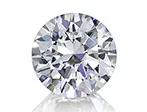
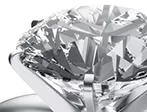
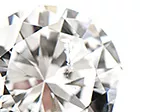
Natural diamonds are formed as carbon gets exposed to extreme temperatures and pressures deep underground. Inclusions and surface scratches appear as a result of the process. The number, size, shape, materials, and location of inclusions and scratches, as well as their effect on the diamond's appearance, are used to determine its clarity. Diamonds aren't fully pure, but the closest they are to that state, the more precious they are.
Any inclusions and scratches are small, and only a professional appraiser can spot them. For example, visibility grades 'VS1' and 'SI2' diamonds can appear similar to the naked eye, but the content is dramatically different. That is why an expert's precise appraisal of the clarity is so important.
GIA's clarity rating is broadly divided into 6 levels. Depending on the stage, it is further divided into multiple grades, and there are a total of 11 grades. Since diamonds are created by nature, they contain impurities. They are ranked in order from 'Flawless', which has as the fewest impurities.

+FAQ for Clarity
Q.
What is the past behind GIA's creation of the Clarification Rating?
A.
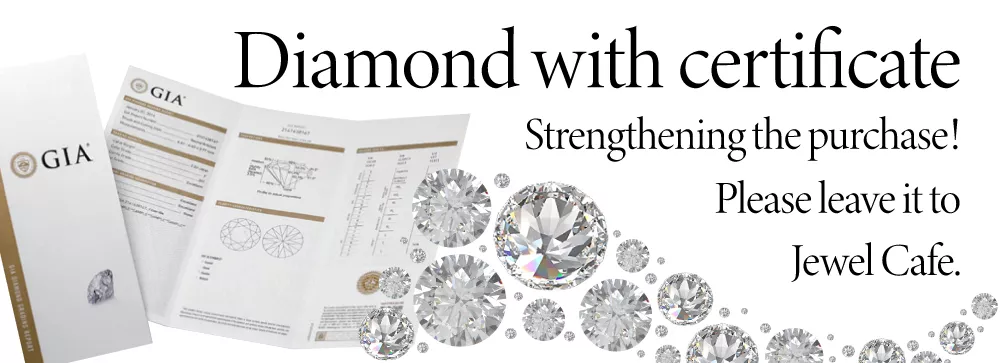
Jewelers used to have no specific standards, similar to colour grades, and would use deceptive rating terms like 'loupe clean' and 'picket.' The GIA has developed a clarity ranking scale focused on simple and reasonable standards, as well as a widely understood 'common language' for clarity. Your jeweller can clarify your diamond's transparency with GIA quality grades such as 'VVS1' and 'SI2' no matter where you buy them in the world or in what language you buy them in.
Q.
How can inclusions be formed?
A.
During the formation of a diamond, small crystals can get mixed in. In addition, the atomic structure of diamonds can become abnormal during the growth process.
Q.
Specifically, how do you determine the clarity of a diamond?
A.
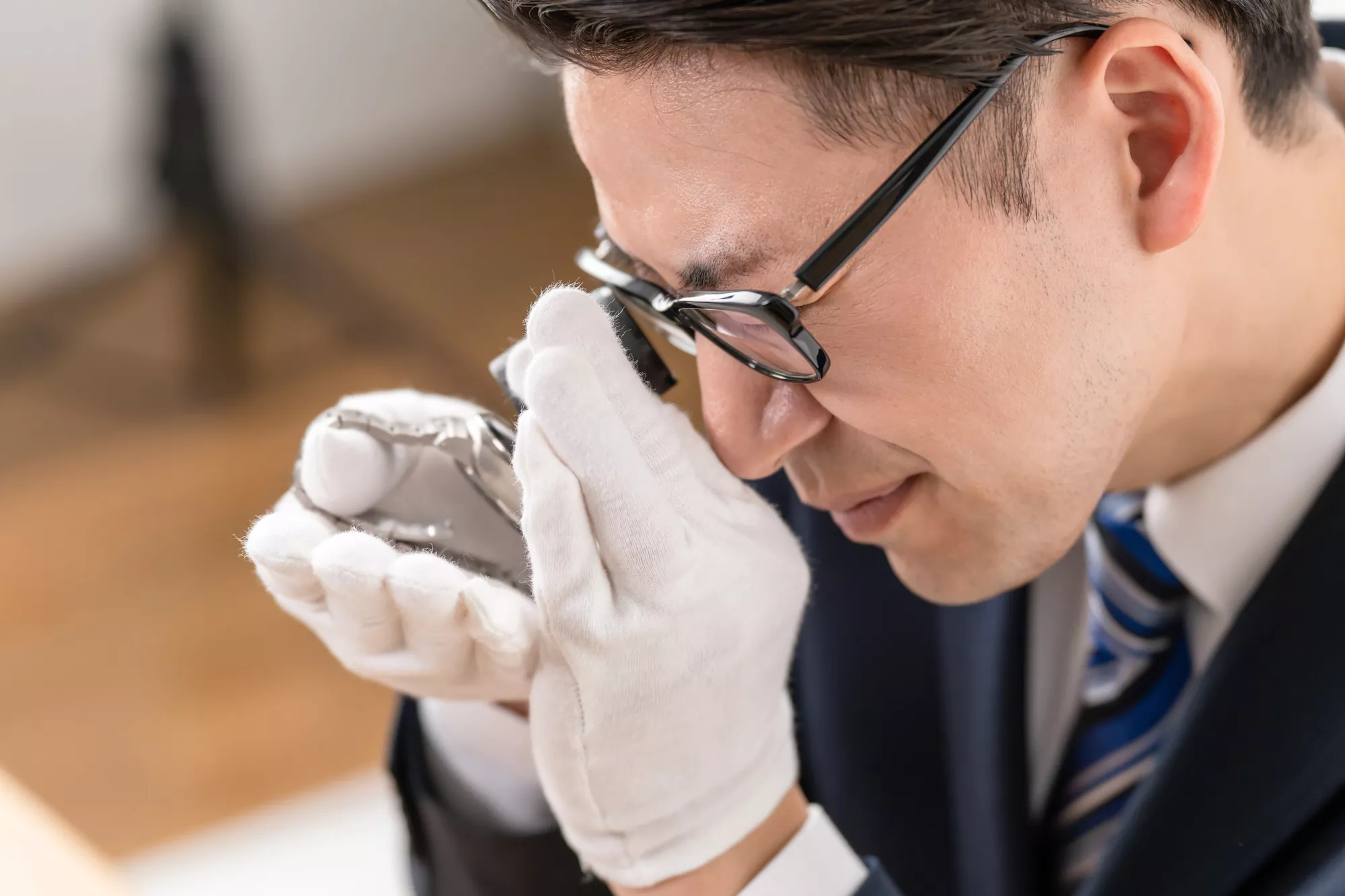
Under normal visual conditions, diamond visibility is measured by examining it using a magnifying glass at a magnification of 10x. An appraiser would first evaluate the transparency and surface characteristics of the gem, as well as any procedures relevant to the clarity, such as scratch repair or laser treatment. Two or more appraisers record their respective judgments for clarity, polish, and symmetry. Write clarity-related features on the diamond shape and faceted style diagrams.